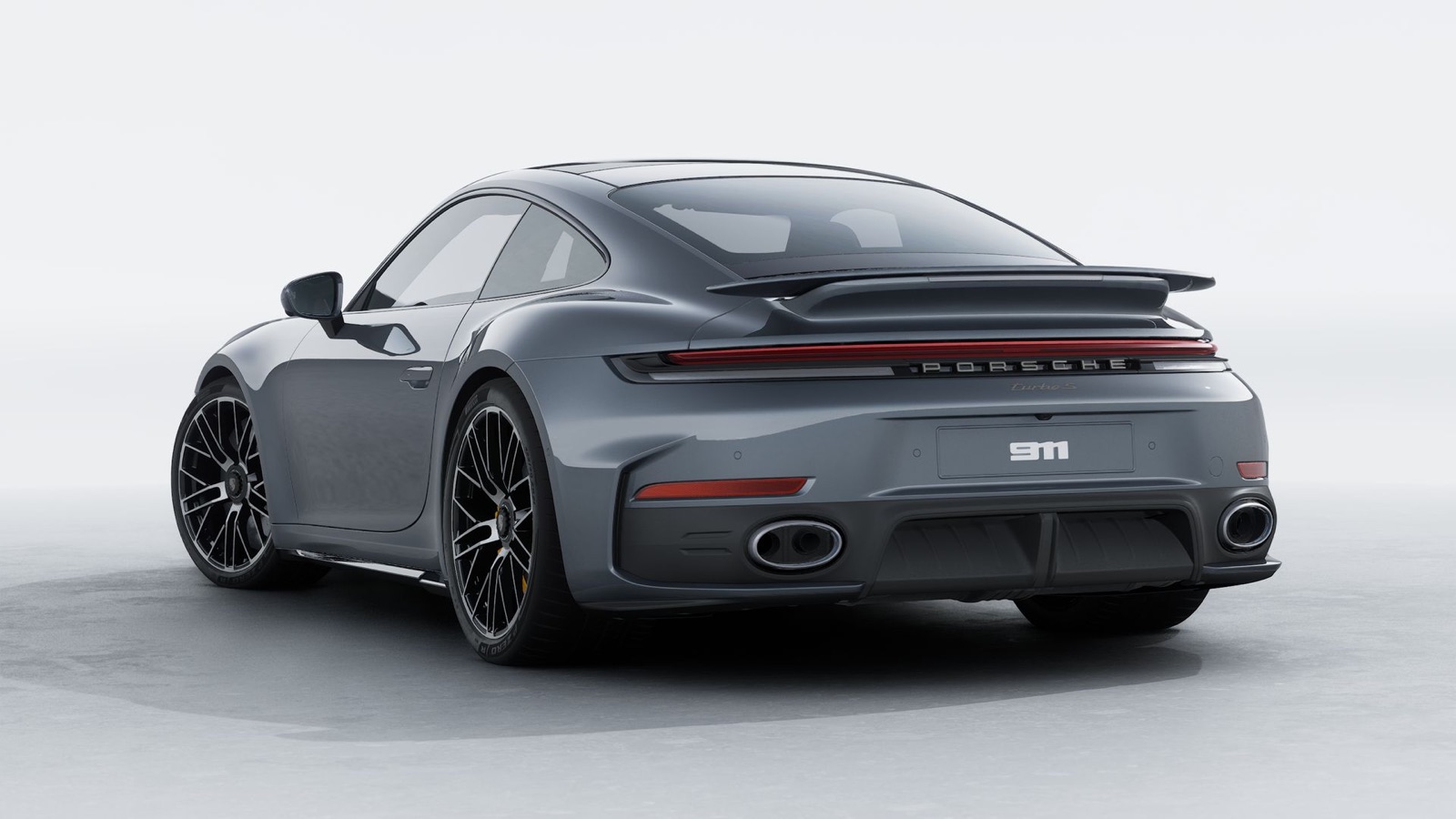
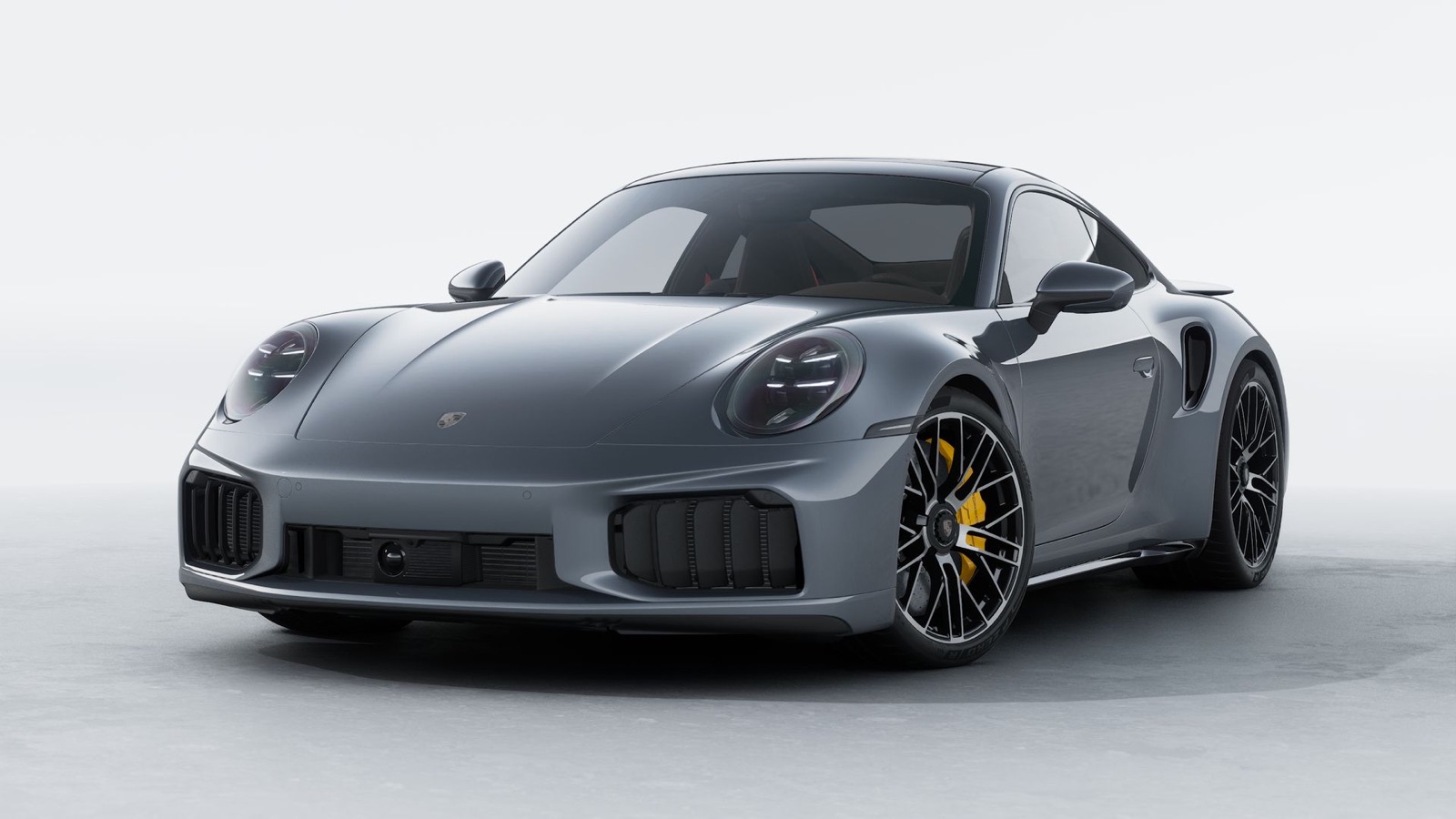
A Costa Brava road trip in a Porsche 911: the one-day route from Barcelona
Barcelona to Cadaqués and back in a day: 350 km of coast road, cliff switchbacks and fishing villages, planned around a 911 Turbo S rental with 150 km a day included.
· 7 min read

The route at a glance
| Leg | Road | Distance | Time |
|---|---|---|---|
| Barcelona to Tossa de Mar | AP-7, then C-35 and GI-682 | 105 km | 1 h 20 |
| Tossa de Mar to Sant Feliu de Guíxols | GI-682 coast road | 23 km | 40 min |
| Sant Feliu to Begur via Palamós | C-31 and GI-653 | 40 km | 50 min |
| Begur to Cadaqués via Roses | C-31, C-260, GI-614 | 75 km | 1 h 30 |
| Cadaqués to Cap de Creus and back | GI-614 | 16 km | 35 min |
| Cadaqués to Barcelona | N-260, AP-7 | 175 km | 2 h |
About 430 km and six hours of driving. On a weekend rental that fits inside the 450 km allowance; on a single day it is worth budgeting for 80 km of extras at €5 each, or shortening the return.
Why this route suits a Turbo S
The Costa Brava is not a wide, fast coast. It is a sequence of short, steep, twisting roads between coves, with a straight motorway to reach them. A Turbo S is the right tool because it does both: 800 Nm makes the motorway leg short, and rear-axle steering with a 10.9 m turning circle makes the hairpins above Tossa feel narrower than they are. Leave the suspension in Normal for the AP-7 and switch to Sport when the sea appears.
Leg by leg
Tossa de Mar to Sant Feliu: the road you came for
The GI-682 is 23 km of cliff road with the sea on your right the whole way. There are two dozen switchbacks, no centre line in places, and a viewpoint every few hundred metres. Early on a weekday morning it is empty. On a summer Sunday afternoon it is a queue. Leave Barcelona by 08:00.
Begur and the coves
Begur sits on a hill with Sa Tuna, Aiguablava and Sa Riera below it. The descents are steep and narrow; the front axle lift matters at the bottom of a couple of them. Aiguablava's parador is the lunch stop if you want a table with the view; Sa Tuna is the one with the fishing boats.
Cap de Creus
The road from Cadaqués to the lighthouse at Cap de Creus is eight kilometres across bare rock, the easternmost point of the Iberian Peninsula. It is single-track in places with passing bays. Go for the last light rather than the middle of the day.
The return
The N-260 from Cadaqués to Figueres is a mountain road with long views; from Figueres the AP-7 runs straight to Barcelona in under two hours. Tolls were removed from the AP-7 in 2021, so the motorway is free.
Practical notes for a rental
- Fuel. The 911 has a 63-litre tank and will use around 12 l/100 km driven like this. One stop at Figueres on the way home is enough. Return full-to-full.
- Parking. Cadaqués and Tossa restrict cars in the old towns in summer; use the signed car parks on the edge and walk. Both are five minutes.
- Speed cameras. Fixed cameras on the C-31 near Palamós and on the N-260. Fines reach the rental company weeks later and are passed on at cost.
- Seasons. May, June, September and early October have the best light and the fewest cars. August is beautiful and full.
Variations
- Half day: Barcelona to Tossa, the GI-682 to Sant Feliu, back on the C-65 and AP-7. 220 km.
- Two days: Stay in Begur or S'Agaró and add the Empordà interior (Peratallada, Pals) and the Ter valley the next morning.
- Inland instead: Montserrat and the Priorat wine roads are the other classic day; both are covered in this blog.